Cave Diving Sardinia

Dive a Place That
Still Feels Wild

Cave systems of extraordinary beauty, variety, and potential — supported by logistics built for serious diving.

One of the last wild coastlines in the Mediterranean.

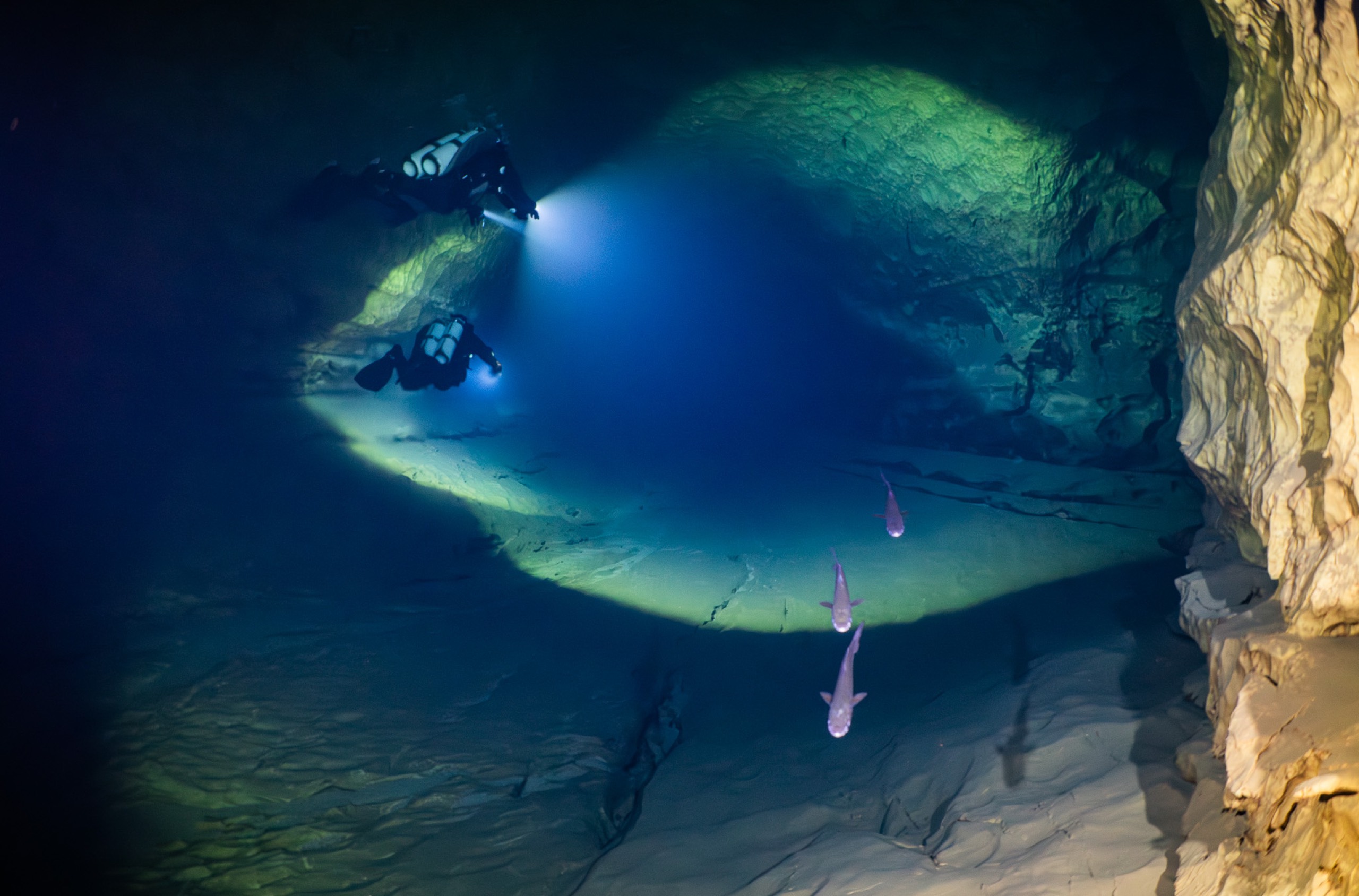
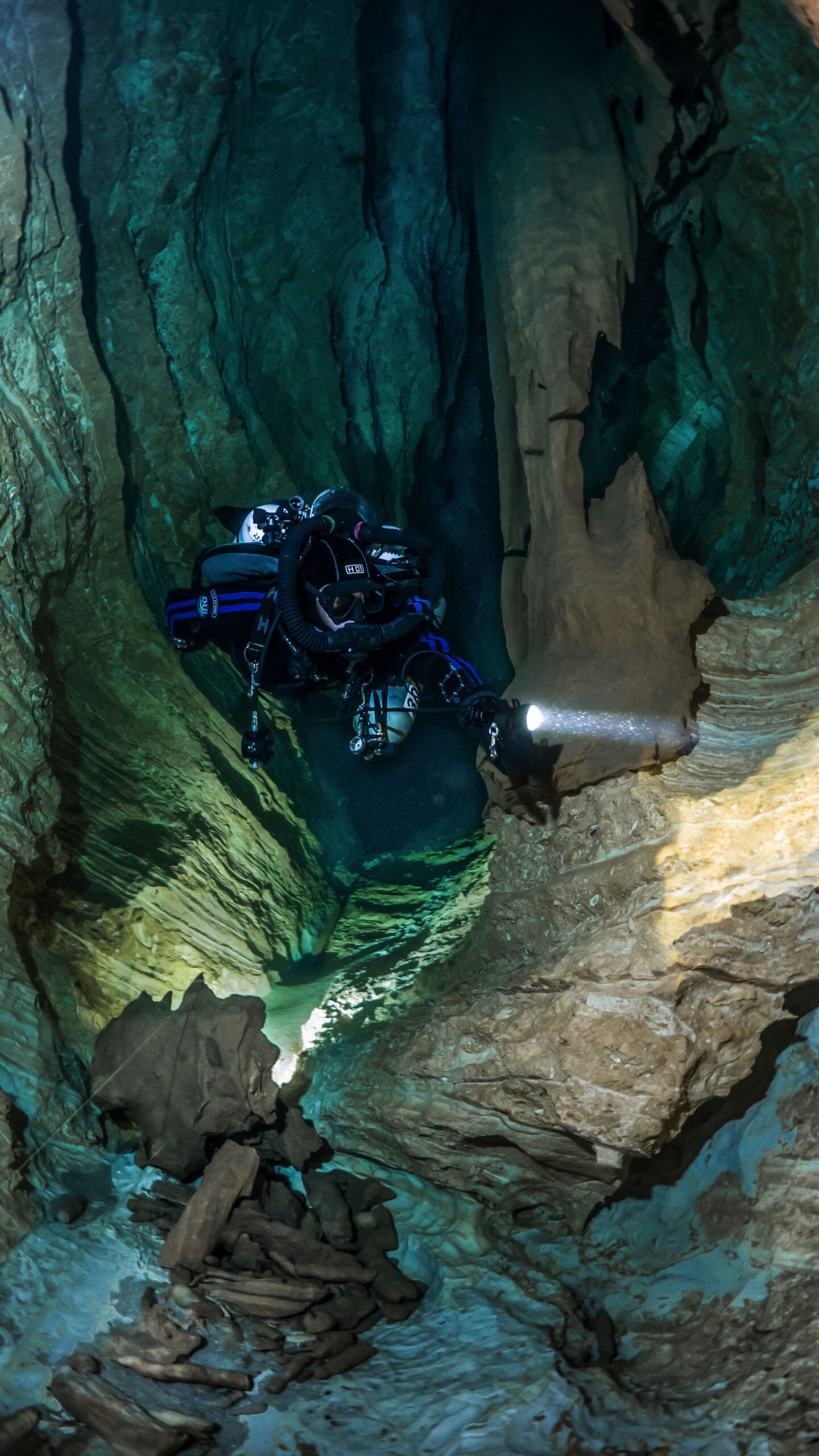
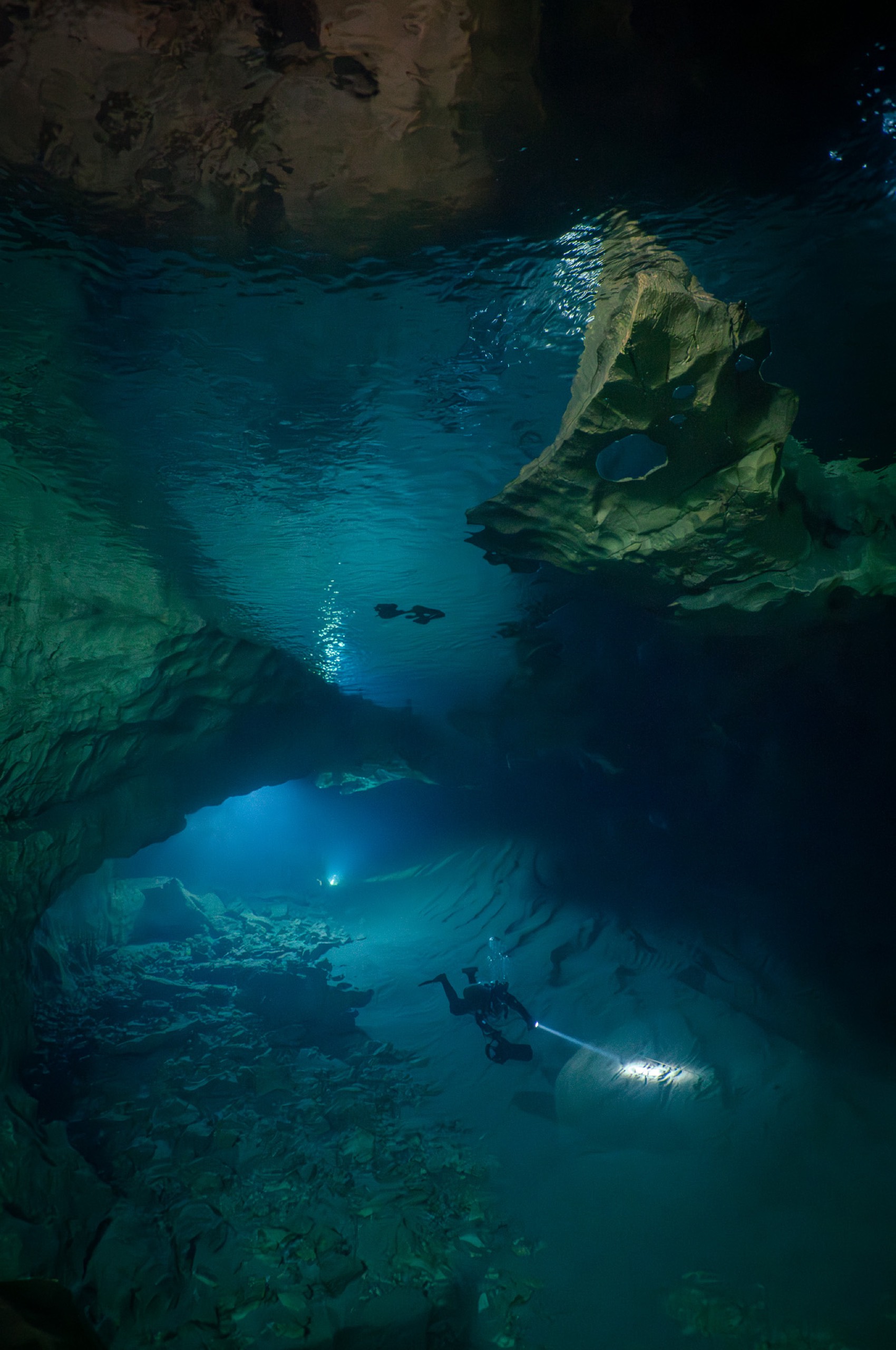
The Gulf of Orosei is one of the last stretches of Italian coastline without buildings or coastal roads. Along forty kilometres of wild limestone coast, high white cliffs drop into turquoise water and hide hundreds of dry and flooded caves, including some of the longest underwater cave systems in Europe.

Read more about the geology

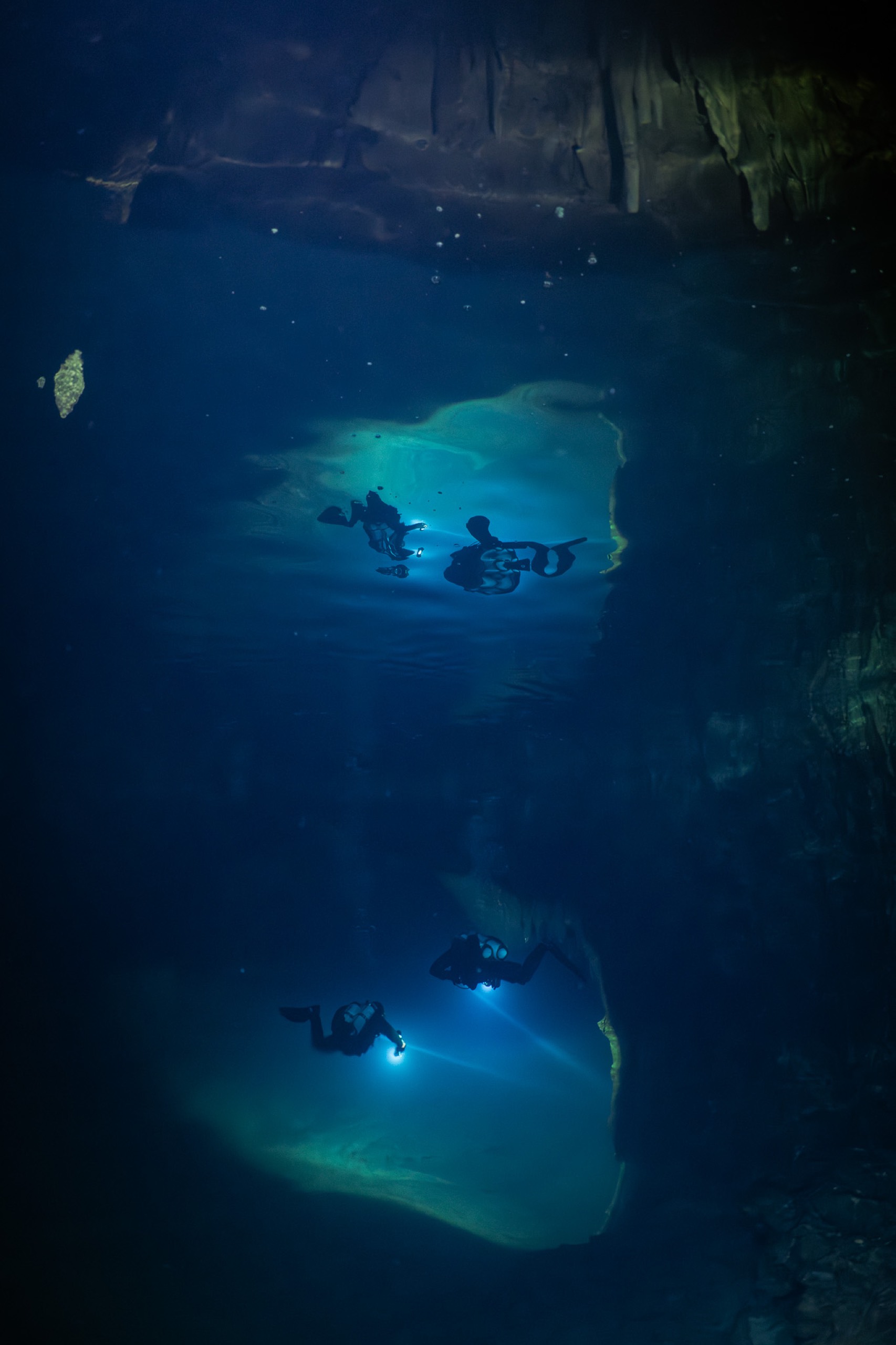
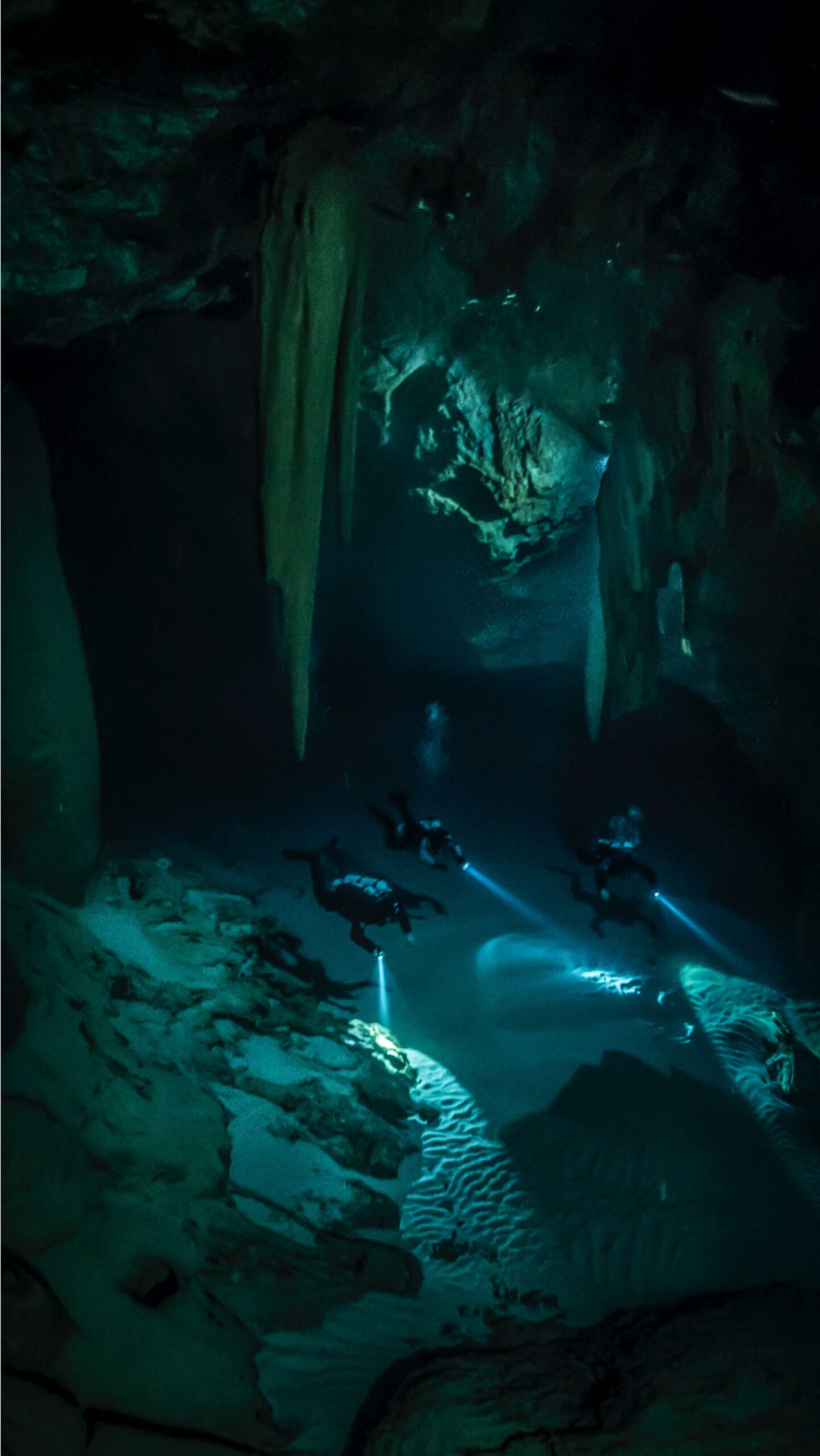
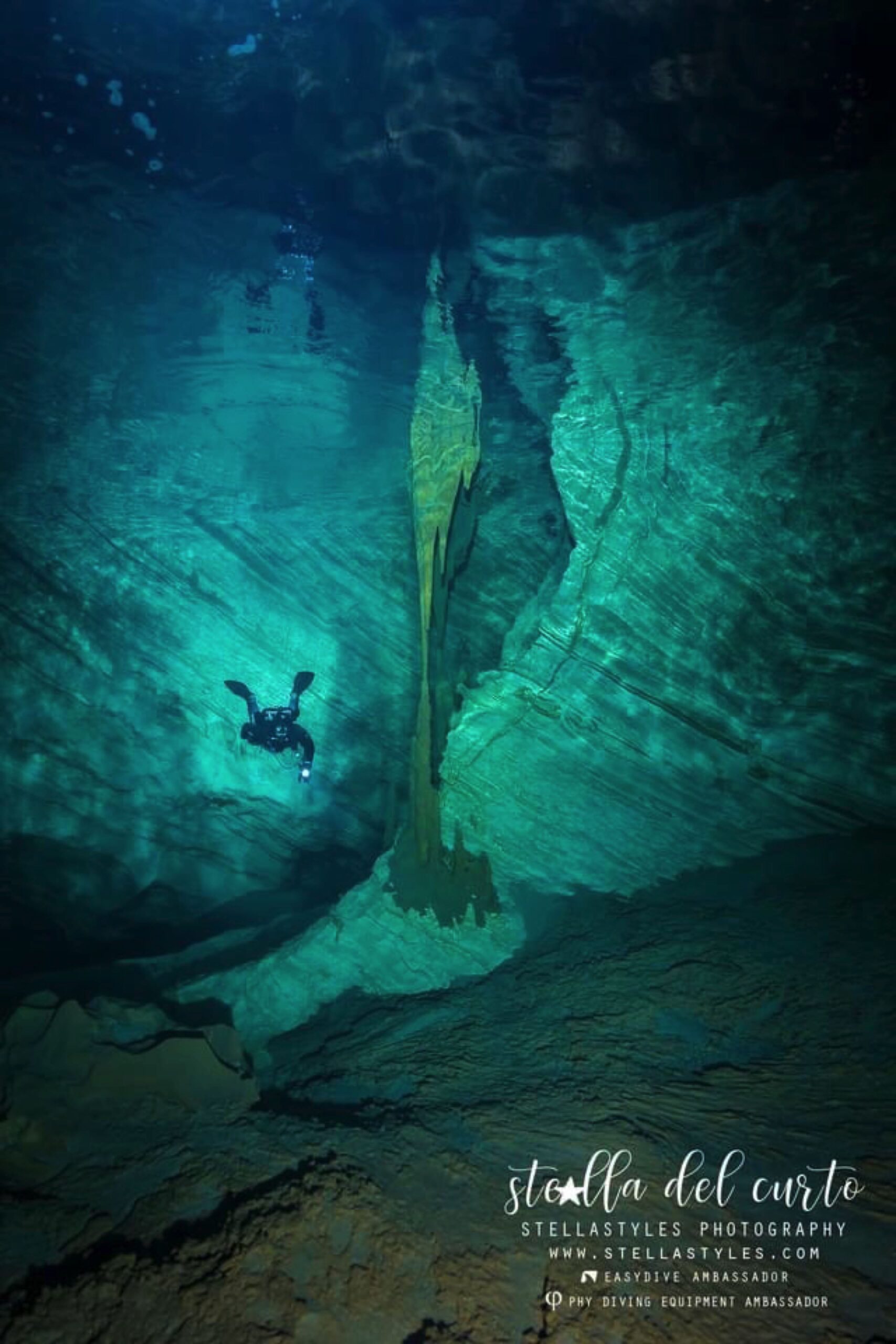
These freshwater springs are shaped by saltwater intrusion from the sea, creating layered cave environments with both fresh and marine water. Speleothems, decorations, and changing passage levels show that many of these caves were once dry during different ice-age sea-level periods. Branching passages, sumps, and long shallow galleries make the Gulf of Orosei one of Europe's premier cave diving destinations — and a vast maze still being explored.

Most shallow cave systems in the Gulf of Orosei have average depths between 6 and 12 metres. Saltwater temperatures are usually above 22°C, while freshwater sections can be around 15°C. These conditions allow long bottom times and minimum decompression.

Other systems are deeper and more complex, requiring advanced planning, longer exposure, and staged decompression — ideal terrain for experienced rebreather cave divers.

Six Coastal Caves

Each cave system is remarkably different from the next, shaped by its own combination of haloclines, hydrogen sulphide layers, speleothems, changing passage levels, and varied limestone morphology.

Boat access · All levels

Grotta del Bue Marino

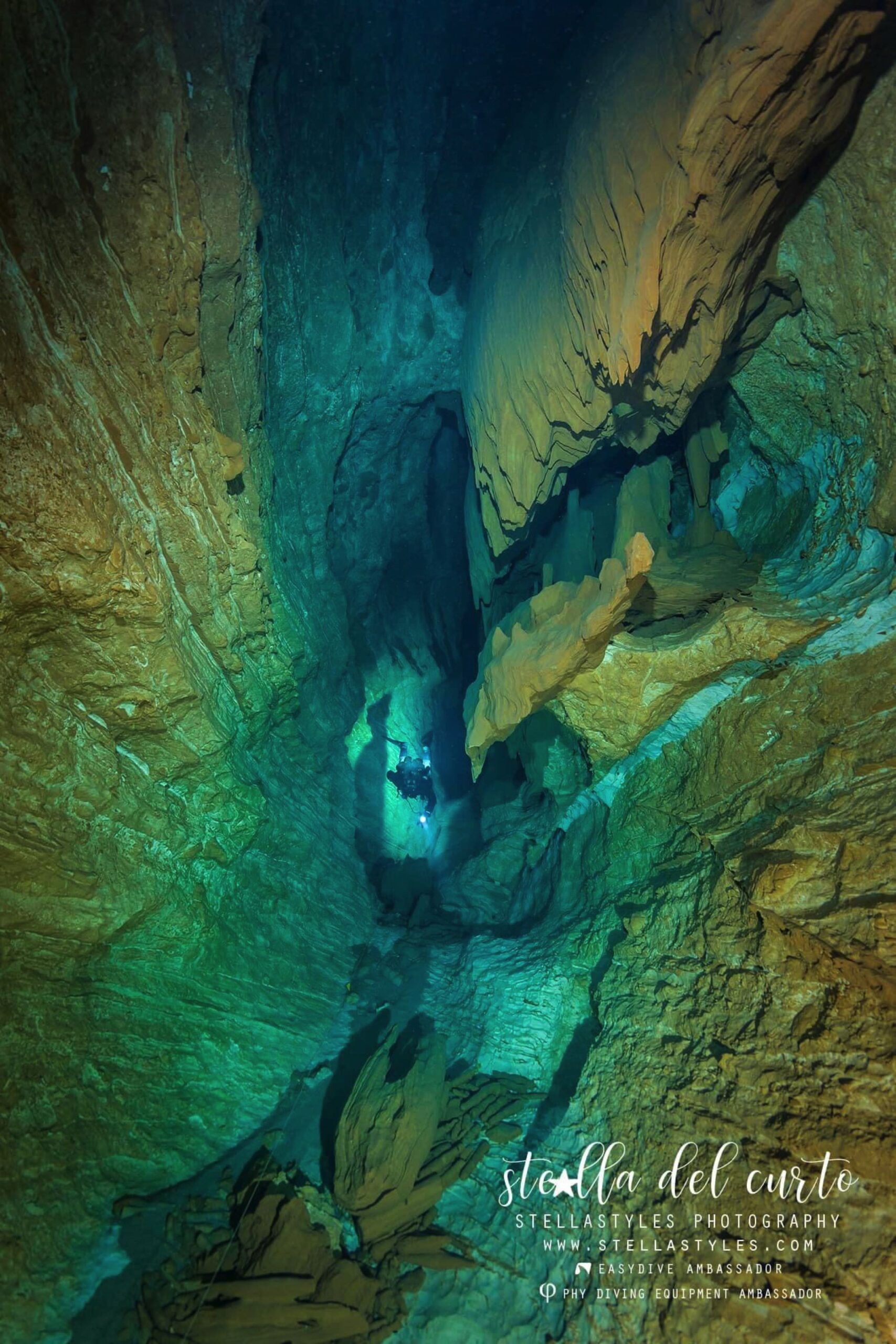
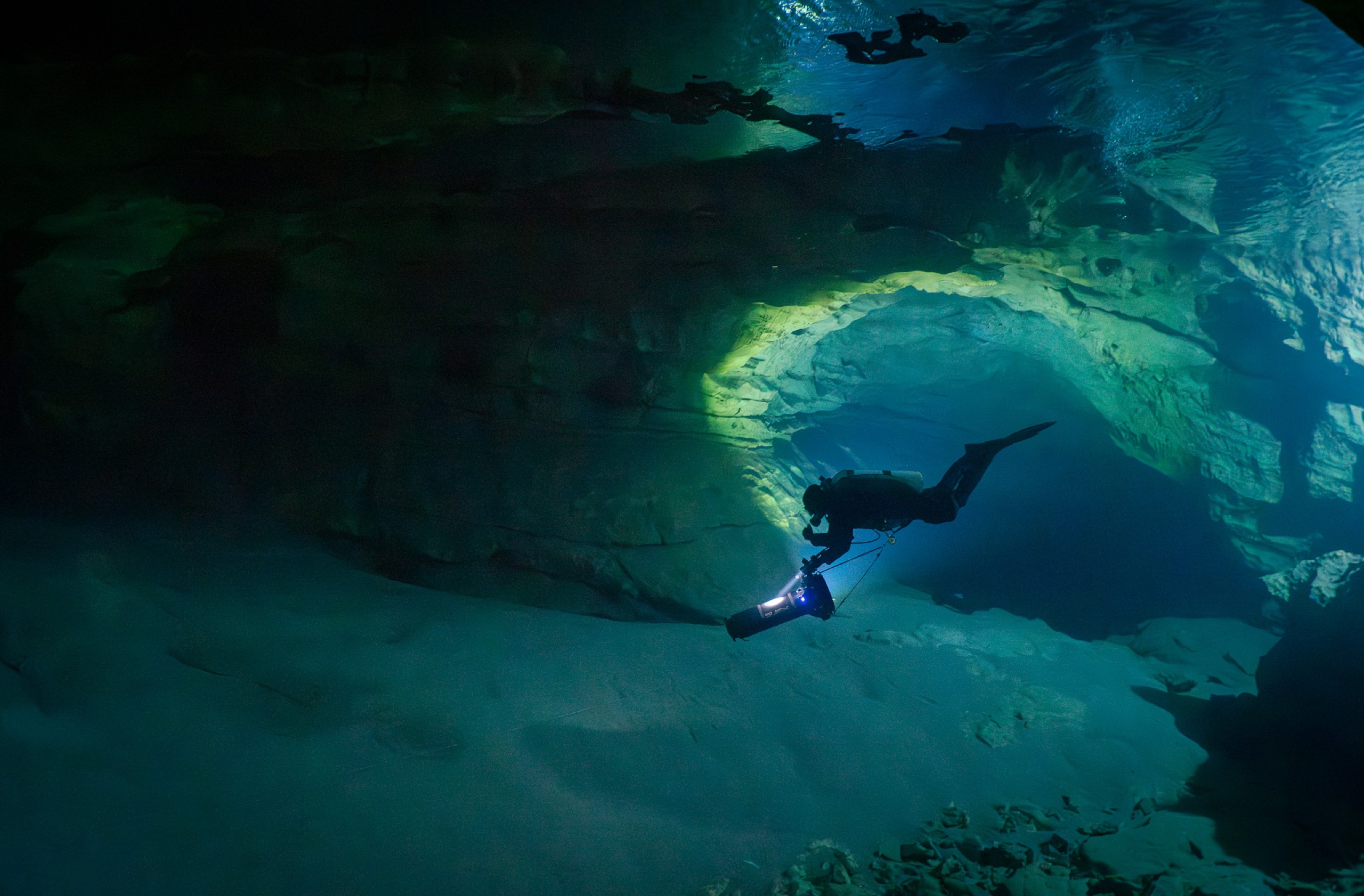
The most extensive cave system in the Gulf of Orosei. Its branching passages — Ramo Nord, Ramo di Mezzo, and Ramo Sud — extend for kilometres through mapped tunnels and unexplored continuations. Rich speleothems, a prominent halocline, and long open galleries make this one of the cave systems that helped establish the Gulf of Orosei as a world-class cave diving destination. Suitable for a wide range of experience levels, from long shallow dives to multi-sump cave diving.
HaloclineSpeleothemsMultiple sumpsDistance

Open Water & Wrecks

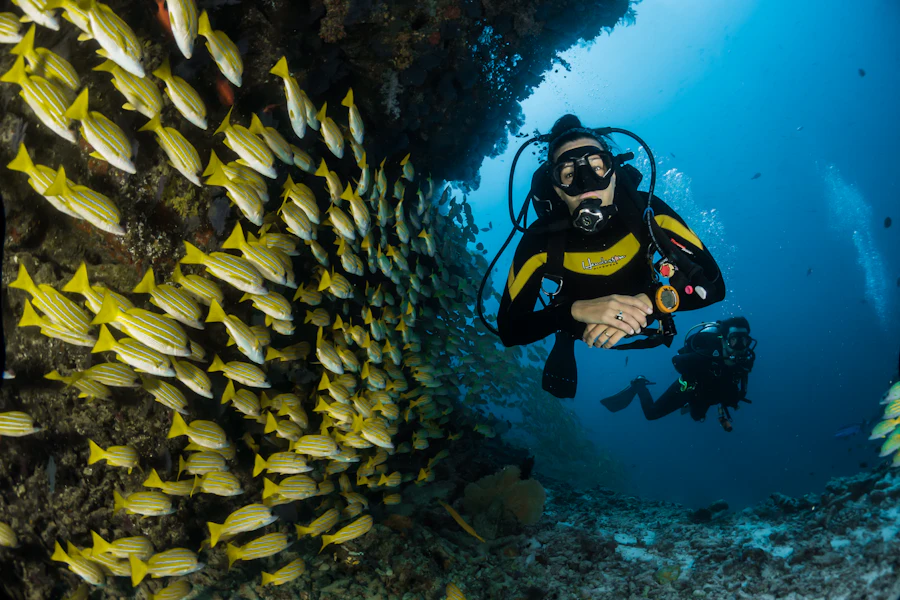
Not every dive in the Gulf of Orosei goes overhead. Beyond its caves, the area offers clear-water wreck dives, wall dives, shallow coastal sites, caverns, and sheltered locations ideal for recreational divers, warm-up dives, and skills development before advanced cave, technical, or CCR training.

Boat access · ~87 m

Ugo Bassi

One of Sardinia’s most impressive deep wrecks. The Ugo Bassi, a cargo steamship torpedoed and sunk in 1941, rests upright off the coast of Orosei at approximately 87 metres. Its well-preserved hull, open holds, superstructure, and abundant marine life make it an exceptional technical-diving site. Discovered in 2012, the wreck requires advanced trimix procedures, precise planning, and substantial decompression, making it suitable only for experienced deep technical and rebreather divers.

WreckDeepTrimixCCR

Ready to Get in the Water?

Cave, wreck, or open water — reserve your diving days with Base One.

Request Availability

How It Works

01

Arrive & Prepare

Collect equipment, check gas, load the boat. Everything charged and ready.

02

Briefing

Review the dive plan, discuss conditions, confirm team roles.

03

Dive

Boat transfer to the cave entrance. Execute with confidence.

04

Return & Debrief

Rinse, upload data, review the dive. What went well. What to refine.

05

Recharge & Reset

Plug in DPVs and lights, top off cylinders, update plans for tomorrow.

A Glimpse Beneath the Surface

A short film from the caves and waters of the Gulf of Orosei. Video to be supplied.

Video coming soon

Plan Your Diving Days

From introductory cave dives to multi-day expedition support.